All Over Print Apparel
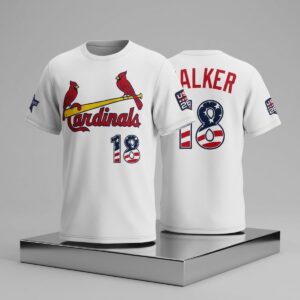
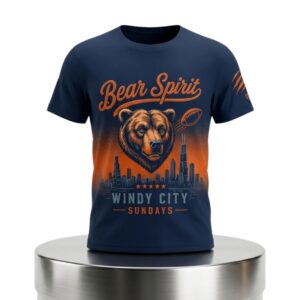
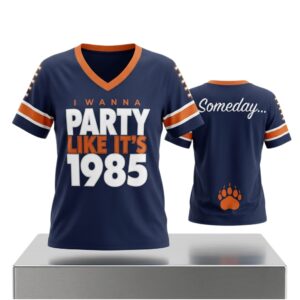
Artwork that does not stop at a panel. On these pieces the design runs continuously across the front, the back, the sleeves and straight through the seams, so the garment reads as one image rather than a shirt with something printed on it.
It is the loudest thing we make, and the most misunderstood. Worth two minutes before you buy.
What “All Over” Actually Means
Panel printing applies ink to a finished garment. All-over printing works the other way round: the fabric is printed first, then cut and sewn, which is the only way a pattern can line up across a seam.
The process is dye-sublimation — the colour turns to gas under heat and bonds into the fibre itself rather than sitting on the surface. That has one consequence you can feel immediately: there is no hand-feel at all. Run your palm across the design and you cannot tell where the artwork is. Nothing to crack, nothing to peel, because there is no layer sitting on top.
The trade-off is that sublimation only bonds to synthetic fibre, so all-over pieces are built from polyester-based fabric rather than cotton. That is not a shortcut — it is a requirement of the technique, used across the whole of textile printing for this category of garment.
How It Wears Differently
Three practical differences from a printed cotton tee, none of them obvious from a photo.
It dries faster and clings less. Synthetic fabric moves moisture rather than absorbing it, which is why this cut works well in heat and at events where you will be standing around for hours.
The colour does not fade the way ink does. Because the dye is inside the fibre, it fades at the same rate as the fabric itself rather than wearing off the surface first.
It has to be seen whole. This is the one that catches people out. A panel design still works half-covered by a jacket or a bag strap. An all-over design stops making sense the moment part of it is hidden. Buy this cut for occasions where the whole garment will be visible.
When to Choose It Over a Panel Print
Choose all-over for parties with a theme, game days, festivals, holidays and anywhere the point is to be seen. Choose it when the design is the outfit rather than part of it.
Choose a panel print when you want the piece to work across ordinary days, layer under something, or sit in a wardrobe next to plain clothes. That is T-Shirts, Sweatshirts & Hoodies.
Related cuts in the same spirit: Hawaiian Shirt uses the same full-coverage approach in an open-collar shape, and Baseball Jersey sits between the two with a full front and a personalisable back.
Sizing: Read This Before Ordering
All-over pieces are cut from printed fabric, so the fit is fixed at the pattern stage and tends to run straighter through the body than a knit tee. There is less give.
Which makes measuring more important here than anywhere else in Apparel. Take a shirt you own that fits the way you want this one to, lay it flat, measure chest and length, and match against our size chart. If you are between sizes on an all-over piece, size up rather than down.
Washing an All-Over Piece
Easier than a panel print in one way and fussier in another.
Easier: there is no ink layer to crack, so normal handling will not damage the design. Fussier: synthetic fabric holds heat damage permanently, and a hot wash or a hot dryer can distort the weave in a way cotton would survive.
So — cold wash, inside out, hang dry, no iron on the fabric at all. Wash separately for the first two or three cycles.
Elsewhere in the Range
To browse by design rather than by cut, start at Trending or see this week’s arrivals in New Drops. The same full-coverage printing appears on Blankets and Bedding Sets under Home & Living. Delivery is covered on our Shipping Policy page and exchanges under our Returns & Refunds Policy.








FAQ
The fabric is printed before the garment is cut and sewn, which is the only way a design can line up across a seam. That is why the artwork continues onto sleeves and around the sides rather than stopping at a front panel.
No. The colour is bonded into the fibre rather than sitting on top of it, so there is no raised layer anywhere on the garment. Run your hand across it and you cannot tell where the design is.
There is no ink layer to crack or peel, because the colour lives inside the fibre. The design fades at the same rate as the fabric itself rather than wearing off the surface first.
Choose all over when the garment is meant to be the whole outfit — themed parties, game days, festivals. Choose panel-printed tees and hoodies when you want a piece that still works half-covered by a jacket or worn on ordinary days.
These are cut from pre-printed fabric so the fit is fixed at the pattern stage and gives less than a knit tee. Measure a shirt you own that fits how you want this one to, then match it against our size chart. If you are between sizes, size up.
Cold wash, inside out, hang dry, and keep an iron off the fabric entirely. There is no print layer to protect, but synthetic fabric holds heat damage permanently, so a hot wash or hot dryer can distort the weave. Wash separately for the first few cycles.
Yes. The same full-coverage approach is used on Blankets and Bedding Sets in Home & Living, where the larger surface gives the artwork more room.